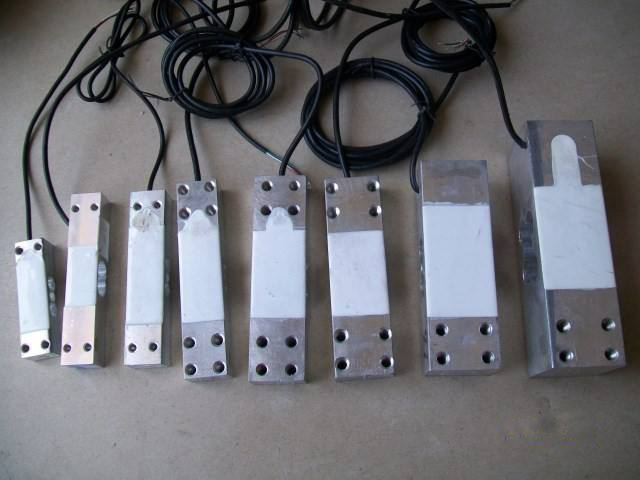
truck scale parts
We provide customized solutions based on diverse customer requirements and actual metering conditions. In accordance with clients' specific workflow, we develop intelligent unattended truck scale weighing systems that fully meet their practical needs and demands.
Floor scales, also known as ground scales, are the primary weighing equipment used by factories, mines, and merchants for the measurement o bulk goods. Before the 1980s, common electronic floor scales were generally mechanical electronic floor scales constructed purely based on the lever principle, also known as mechanical scales In the mid-1980s, with the maturation of high-precision weighing sensor technology, mechanical scales were gradually replaced by floor scales featuring high precision, good stability, and convenieoperation.
Advantages and Disadvantages of Shallow Pit and Pitless Installation: Shallow pit installation involves mounting the electronic floor scale underground, with the scale surface flush with the installation.
Advantages: Takes up less space and does not require ramps. This method is suitable for customers with limited space, provided the site is at a relatively high elevatisadvantages: If the surrounding terrain is low, it is prone to water damage from rain. Additionally, underground installation is unfavorable for maintenance and after-sales repair. Poor ventilation underground affectsrall service life of the scale.
Pitless installation involves mounting the scale on the ground level, with the scale surface elevated above the ground, requiring ramps on both sides to facilihicle access.
Advantages: The foundation construction is relatively simple, and it is convenient for maintenance. Being installed above ground improves ventilation for the scale body, extending its service life and facilitatng drainage. It is particularly suitable for customers with large sites or those who already have a concrete floor and do not wish to dig a pit.
Disadvantages: Requires ramps ons, resulting in a larger footprint.